
Transporting Barges and Various Ships Across Russia’s Waterways
Spanning the 17th through the 20th centuries, impoverished or land-deprived Russian peasants would congregate along river edges, their eyes trained on the horizon for incoming barges and medium-sized vessels. These individuals, known colloquially as burlaks, would earn a meager wage for their labor – using their own body strength to tow these boats against the current.
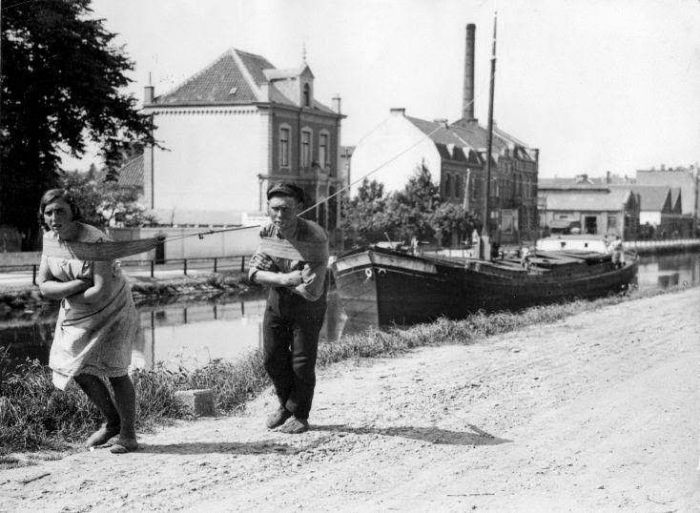
In the 19th century, Burlaks, the hardy boat pullers of Russia, often worked within a collective framework known as an artel. This cooperative association typically consisted of a small group of four to six Burlaks, although, in some instances, artels could comprise up to 150 individuals. However, the dawn of the Industrial Revolution marked a turning point for these men of the river, triggering a steady decline in their numbers. By the time the 20th century rolled in, the Burlaks, once a common sight along Russia’s waterways, were virtually extinct.